Insight
Plywood Grades and Applications: A Comprehensive Technical Guide
Plywood Grades and Applications: A Comprehensive Technical Guide
Plywood is one of the most versatile and widely used engineered wood products in modern construction and manufacturing. However, to maximize performance and cost-efficiency, understanding the specific plywood grades is essential. This guide provides a detailed breakdown of grading standards, technical characteristics, and practical applications to help you choose the right material for your project.
I. Understanding the Plywood Grading System
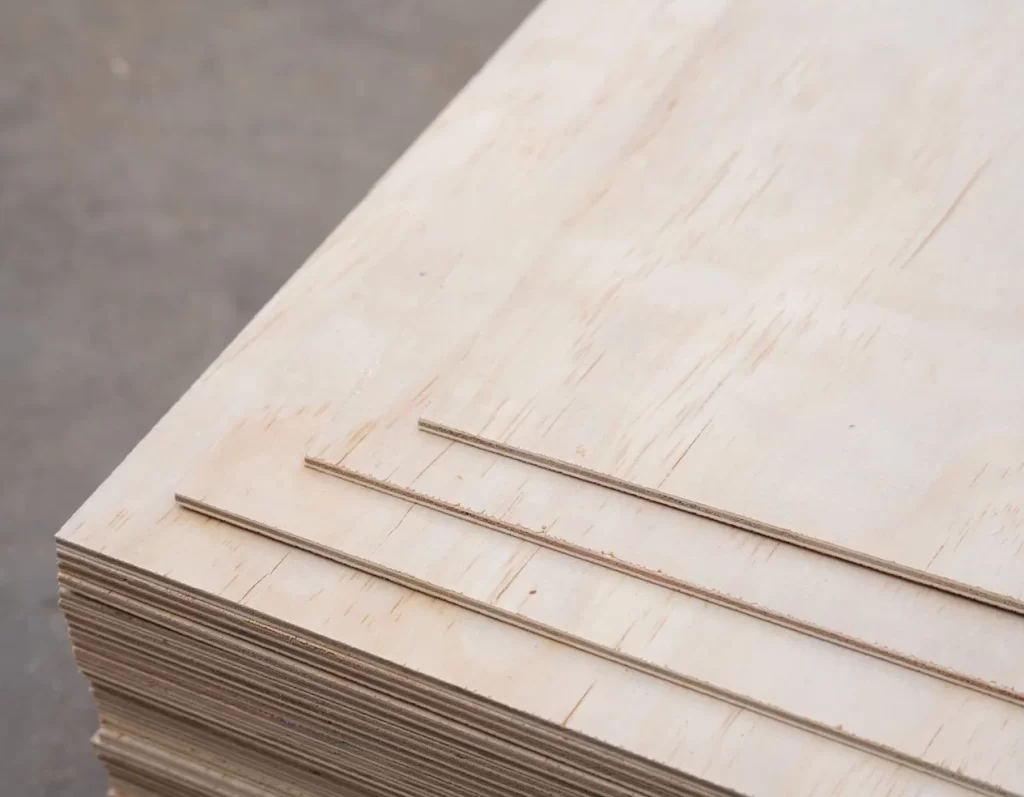
The quality of a plywood sheet is determined by the condition of the face and back veneers. The industry standard utilizes a two-letter grading system (A, B, C, and D), where the first letter represents the face veneer quality and the second letter represents the back veneer.
1. A-Grade Plywood: Premium Finish
This is the highest quality plywood available, featuring a flawless surface.
- Characteristics: The surface is sanded smooth and is virtually free of knots, cracks, or natural defects. It is specifically designed to be painted or stained.
- Applications: Ideal for high-end cabinetry, bespoke furniture, and decorative interior wall paneling where aesthetics are the top priority.
2. B-Grade Plywood: High-Quality Utility
A secondary premium grade that balances visual appeal with cost-effectiveness.
- Characteristics: The surface is relatively smooth but may contain minor imperfections, small sound knots, or light repairs (patches).
- Applications: Commonly used for office furniture, shelving, and interior visible components where a perfect “A-grade” finish is not strictly required.
3. C-Grade Plywood: Structural Performance
This grade focuses on structural integrity rather than visual perfection.
- Characteristics: The surface is rougher and contains visible defects, including knots up to 1.5 inches in diameter and small unfilled splits.
- Applications: Primarily used for structural purposes such as subflooring, industrial packaging, and backing for other materials where the plywood will not be seen.
4. D-Grade Plywood: Economy & Concealed Use
The most affordable grade, intended for utility applications.
- Characteristics: This grade features numerous natural defects, large knots, and un-sanded surfaces. It provides structural support at the lowest price point.
- Applications: Best suited for concealed structural components like roof sheathing, wall bracing, or temporary construction barriers.
II. How to Choose the Right Grade for Your Project
Selecting the incorrect grade can lead to unnecessary expenses or structural failures. Consider these four critical factors:
- Functional Intent: Determine if the plywood is for decorative use (Grades A & B) or structural use (Grades C & D).
- Environmental Exposure: For outdoor projects or high-moisture areas, ensure you select Exterior-Grade or Film-Faced Plywood to prevent delamination.
- Thickness Requirements: Plywood ranges from 3mm to over 25mm. Choose a thickness that provides the necessary rigidity and load-bearing capacity for your specific application.
- Budget Optimization: For large-scale industrial projects, using lower grades (C or D) for hidden structures can significantly reduce total material costs.
III. Advantages of Using High-Quality Engineered Wood Panels
Sourcing certified, high-grade plywood ensures your project meets international safety and durability standards:
- Dimensional Stability: High-quality panels resist warping, twisting, and shrinking under varying temperature and humidity levels.
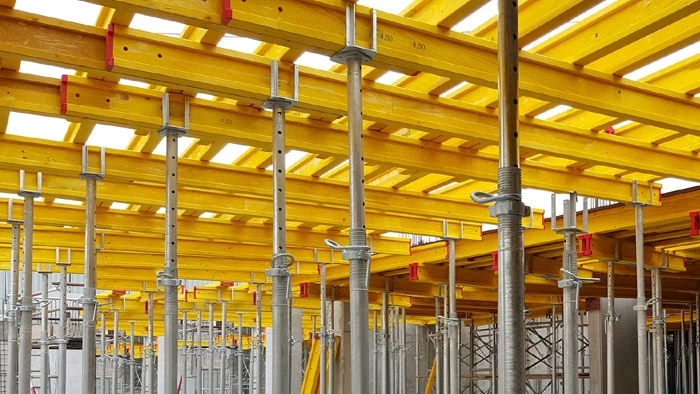
- Specialized Variations: Options include MDO (Medium Density Overlay) for ultra-smooth concrete finishes and Film-Faced Plywood for high-cycle formwork in construction.
- Environmental Compliance: Modern plywood often meets strict formaldehyde emission standards (E0, E1, or CARB P2), ensuring safety for indoor environments.
- Ease of Fabrication: Compared to solid timber, plywood is easier to cut, fasten, and install, reducing overall labor hours.
Conclusion
Mastering the nuances of plywood grades is the foundation for building durable, aesthetic, and cost-effective structures. Whether you are manufacturing premium furniture or managing a large-scale construction site, choosing the appropriate grade ensures the success and longevity of your work.